Group
Half-elves
The Half-elves (Peredhil in Sindarin or Pareldar in Quenya) were people of…
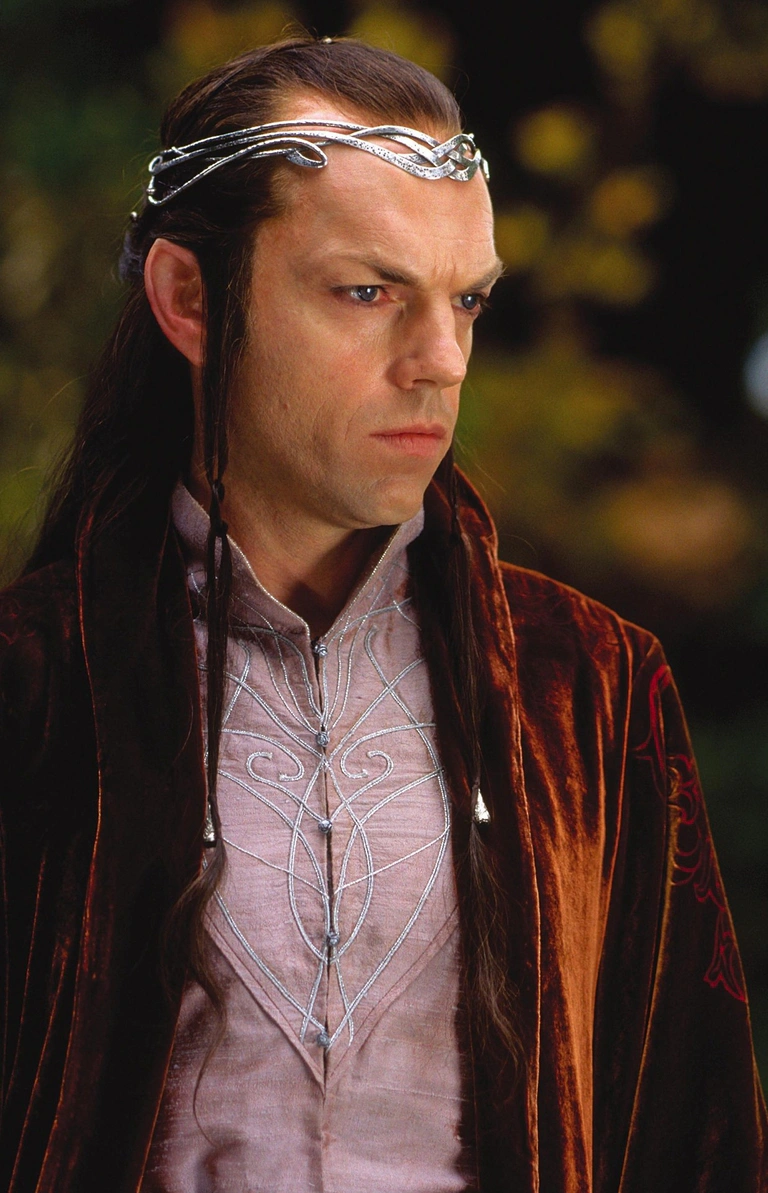
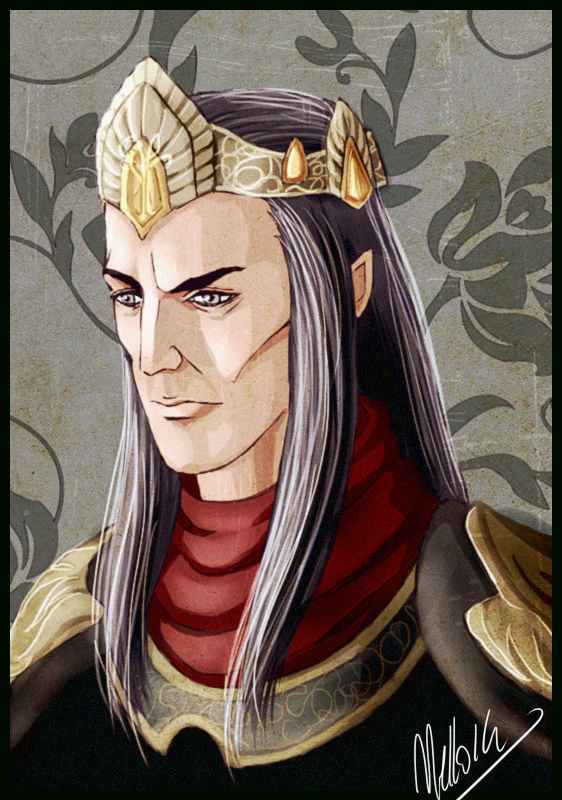
The Half-elves (Peredhil in Sindarin or Pareldar in Quenya) were people of Middle-earth whose name primarily applied to Elrond and Elros in the Second and Third Age, but also to Eärendil and his wife Elwing before them. They were called so because of their mixed Edain (Mannish) and Eldarin (Elven) blood. At the end of the First Age, they were given a choice to be Elven and immortal, or to be counted as the race of Men and receive their gift, mortality and death.
Half-elves had slow elvish maturities, prolonged youths, and extended lifespans. The first two generations were given the choice of kindred; the third generation was not, and took on the fate of their forebears.
Others considered Half-elves were Elrond's sons, Elladan and Elrohir, and his daughter Arwen Undómiel. Like other Half-elves before them, they were given the choice between mortality and immortality.
The First Age
Two important marriages in the First Age of Middle-earth resulted in the mixing of Elvish and mortal Edain blood.
The first of these was between the mortal Beren of the House of Bëor and half-Elf/half-Maia Lúthien, daughter of the Elf Thingol, the King of Doriath, and Queen Melian the Maia. Beren died in the quest for the Silmaril, and in despair, Lúthien's spirit departed her body and made its way to the Halls of Mandos. Mandos allowed them a unique fate, and they were re-bodied as mortals in Middle-earth, where they dwelt until their deaths.
Their son Dior was thus one-quarter Elvish by blood, although, since he was born after their embodiment, the nature of his mortality is unclear. He died young, when the Sons of Fëanor attacked Doriath.
Dior's wife was Nimloth, a Sindarin Elf, and with her he had three children: Elwing, Eluréd, and Elurín. During the Sack of Menegroth by the Sons of Fëanor, Elwing escaped to the Mouths of Sirion while Eluréd and Elurin were seized by servants of Celegorm and abandoned in the forest to die. They were never found, and were presumed to have perished in the forest.
The second marriage of Men and Elves in the first age was between Tuor of the House of Hador and Idril of the Ñoldor and Vanyar. Their son was Eärendil. After the fall of Gondolin, Eärendil also escaped to the Mouths of Sirion, and married Elwing. They had two sons, Elrond 'Half-elf' and Elros.
Choice of the Half-elves
After the conclusion of the War of Wrath, Manwë determined that the surviving Half-elves would have their choice of fates: to be counted among Elves, and granted eternal life in the Undying Lands; or to be counted among mortals, and granted the ineffable Gift of Ilúvatar. This choice could be delayed, although not indefinitely.

Eärendil would rather have chosen the kindred of Men, but he chose the Elves for his wife Elwing's sake, who also chose the Elves. Eärendil would thereafter forever sail the heavens in his ship Vingilot, the Silmaril of Beren and Lúthien on the prow. In Middle-earth, he was seen as the evening star, and the light of his Silmaril was captured in the Phial of Galadriel. Elwing built a tower in the Shadowy Seas and often met him on his return.
Elros chose to be counted among mortals, and became Tar-Minyatur, first King of Númenor. He finally took his death at the age of five hundred years. All the heirs of Elros lived as mortal men, but their lifespans were enhanced many times that of normal (but still less than Elros'), and they had the freedom to take death when they willed. In later times the Kings of Númenor, still the descendants of Elros, regretted their forefather's choice, and this helped lead to the Downfall of Númenor.
Elrond chose to be counted among the Elves, serving the household of Gil-galad until the end of the Second Age, and founding Rivendell. He married the Elf Celebrían, daughter of Celeborn and Galadriel, and sailed into the west at the conclusion of the War of the Ring.
The children of Elrond and Celebrían were also given free choice of kindred, and therefore Arwen could choose to be counted amongst the Edain even though her father had chosen to be counted as Elven. She exercised this option, marrying Aragorn, King of the Reunited Kingdom, and himself the sole remaining descendant of Elros, finally dying at the age of 2,901 years. Their son Eldarion and their daughters were counted as third-generation Half-elves, having prolonged youths, slow maturities and extended lifespans like the elves, while lacking the choice of kindred, thus retaining the mortal fate of mankind.
It is unclear whether Elladan and Elrohir chose to be of the Edain, or the Eldar; this information is not given in the books. After the books were published, however, Tolkien did have this to say, "The end of his sons, Elladan and Elrohir, is not told; they delay their choice, and remain for a while". The Letters of J. R. R. Tolkien, #153. "Since most felt that their choice was expressed by whether they would follow their father to Valinor at the time of his own departure, and they were described as remaining in Rivendell, they are often said to have chosen the Edain". On the other hand, some believe that the twins were allowed to delay their decision for a time.
Tolkien considered giving the children of Elros, Vardamir Nólimon, Manwendil, Atanalcar, and Tindómiel, the choice of the Half-elves, so that the children of Elros would match the children of Elrond. Whether he actually adopted this idea or not is unclear. If the children of Elros were considered Half-elves with a choice of kindred, it can be presumed that Elros' grandchildren, Tar-Amandil, Vardilmë, Aulendil and Nolondil, had a slow maturity while possessing a long yet mortal lifespan.
It was a tradition in Dol Amroth that Imrazôr the Númenórean had married an Elf, and therefore the Princes of Dol Amroth were of Elven descent. Legolas of Mirkwood believed as much upon meeting Prince Imrahil, but the matter remains unclarified.
Had choice of kindred
Dior Eluchíl, son of Beren and Lúthien and grandson of Melian the Maia
Eluréd and Elurín, the sons of Dior and Nimloth
Elrond, son of Eärendil and Lord of Rivendell
Elros, son of Eärendil, brother of Elrond, and first King of Númenor
Possibly Vardamir Nólimon, Manwendil, Atanalcar and Tindómiel, the children of Elros
Arwen Undómiel, or Arwen Evenstar, daughter of Elrond and Celebrían, and Queen of the Reunited Kingdom
Elladan and Elrohir, twin sons of Elrond and Celebrían
Did not have choice of kindred
Galador, son of Imrazôr and Mithrellas
Gilmith, daughter of Imrazôr and Mithrellas
Eldarion, son of Aragorn and Arwen, and second High King of the Reunited Kingdom
Tar-Amandil, Vardilmë, Aulendil and Nolondil, the children of Vardamir
In external imagination
Unlike in some other fantasy worlds, Tolkien's Half-elves are not a collective race of their own. In Dungeons & Dragons and other fantasy role-playing games, there is a race of Half-elves (singular half-elf). Elsewhere, beings who are half-human and half-[another race] are sometimes called Halflings; the term "Halfling" in Tolkien's legendarium pertains only to Hobbits.
Sources
Adapted from the original article, under CC BY-SA 3.0.