

Lore
Flame Imperishable
The Flame Imperishable, also called the Secret Fire and Airefëa, was a…

Therefore Ilúvatar gave to their vision Being, and set it amid the Void, and the Secret Fire was sent to burn at the heart of the World; and it was called Eä.
The Flame Imperishable, also called the Secret Fire and Airefëa, was a mysterious, eternal, divine power of Eru Ilúvatar, used by him to create and animate Eä (the whole world) and its inhabitants.
History
This power was with Ilúvatar exclusively from the very beginning and was an aspect of his being. Thus, when Melkor sought for it, his efforts were in vain. Later, Ilúvatar sent the Secret Fire at the heart of Eä.
It is also described as being part of all Fëa, the soul of a living being or the spirit, or the Gift that made sentient beings capable of independent thought and will, for though other beings within Arda could create to a greater or lesser extent, even the Valar could not bring new life into being that is independent from Eru's own design (beings could, for instance, procreate, but could not give life as Eru could). This lack of ability to bring into being ideas of his own was what initially led Melkor down the path of Darkness, for he wished above all else to order the universe in accordance with his own desires, and defy the will of Eru.
In The Fellowship of the Ring, Gandalf the Grey referred to both the Secret Fire and the flame of Anor at the Bridge of Khazad-dum when confronting the Balrog:
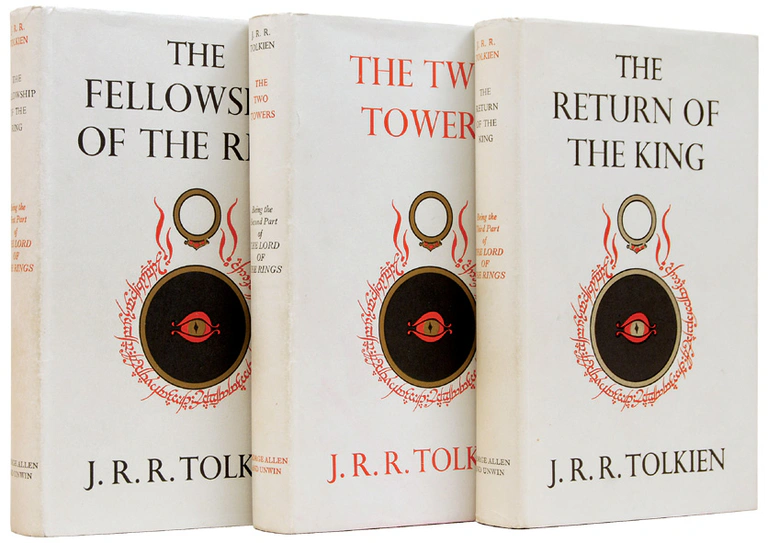
'You cannot pass,' he said. The orcs stood still, and a dead silence fell. "I am a servant of the Secret Fire, wielder of the flame of Anor. You cannot pass. The dark fire will not avail you, flame of Udûn. Go back to the Shadow! You cannot pass.
Anor was a name for the Sun in the mythology, as well as a name for the True West (i.e. Valinor). Further, some have speculated that Gandalf said "flame of Anor" in reference to the fact that he wielded one of the Three Rings of Power, Narya. Thus, it is uncertain if the flame of Anor was identical to the Airefëa, but both it and Airefëa identified Gandalf as a servant of the Valar.
In other versions
In the Qenya Lexicon, the Qenya term Sâ was glossed as "Fire, especially in temples, etc. A mystic name identified with Holy Ghost". Sâ was later emended to fairë aista before Airefëa.
Inspiration
In a discussion with Clyde Samuel Kilby, Tolkien talked to him "at some length about the use of the word 'holy' in The Silmarillion" and revealed to him "that the 'Secret Fire sent to burn at the heart of the World' in the beginning was the Holy Spirit", the third person of the Holy Trinity.
Sources
Adapted from the original article, under CC BY-SA 3.0.


